Menu planning
Turn three recipes into one useful shopping list
Created with AI. Publication may be automated. About our content and editorial process
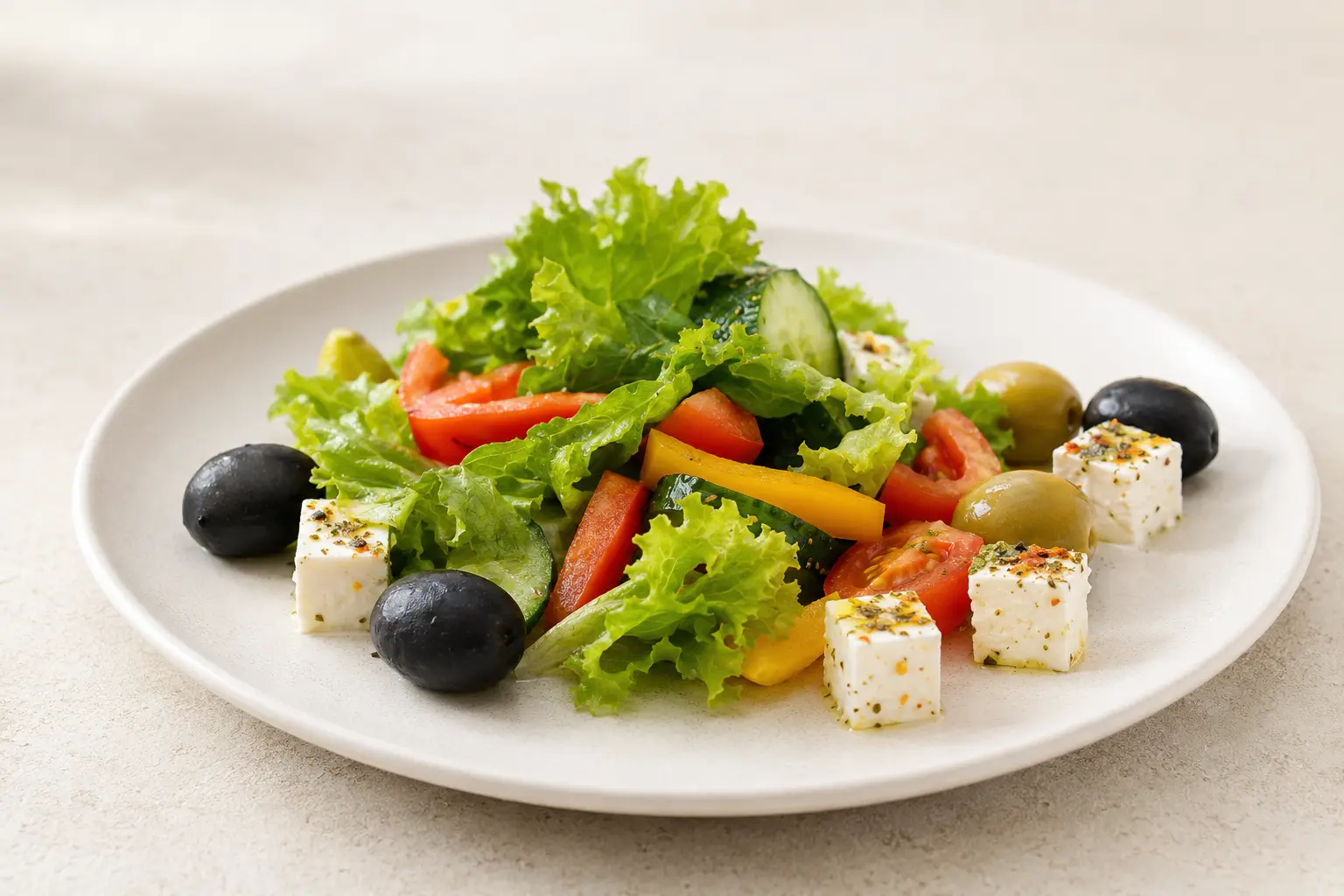
AI-generated serving illustration. About the images
A combined shopping list reduces effort when several dishes share ingredients. Greek salad, caprese, and Mediterranean salad offer useful examples. Add together only products that are genuinely interchangeable. Fresh tomatoes, sun-dried tomatoes, and tomato sauce serve different purposes and should not automatically become one line on the list.
What matters in the kitchen
Start with the net quantity required by each recipe and multiply it by the number of servings. Then combine matching ingredients. Shopping quantities may need to allow for skins, trimmings, or draining losses. Check package sizes and what is already in your kitchen before writing the final amount.
Putting it into practice
Group the list into produce, dairy, dry goods, and chilled items. Specify the cheese or preserved product so someone else can shop accurately. Keep a record of which recipe needs each ingredient. That makes the list easier to adjust if you cancel a dish or decide to cook for more people.
Recipes to explore
Nutrition comes from the original cards and has not been recalculated after regional product substitutions. Articles do not replace individual nutrition or food-safety review.